← Welder overview

01 · WHAT · ASSEMBLE PATH

What is the Welder trade?

Skilled metal joining and fabrication—turning drawings, prepared materials and controlled heat into sound parts, assemblies and structures.

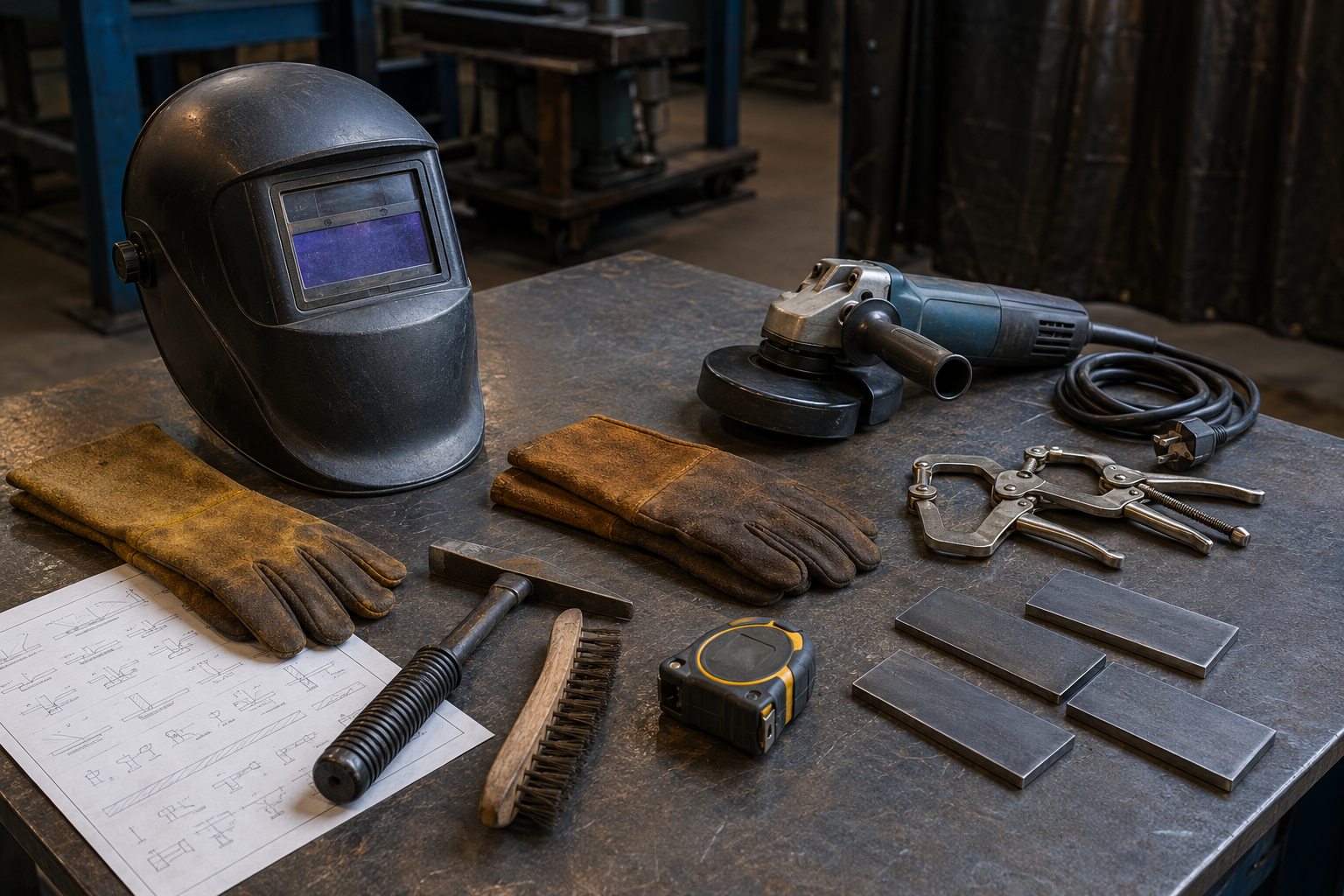
Organized welding tools, protective equipment, steel samples and fabrication drawing on a workbench

THE CORE OF THE WORK

Prepare. Fit. Join. Inspect.

Welders lay out, cut and form metal; fit assemblies; select processes and consumables; join ferrous and non-ferrous metals; repair worn or cracked parts; and check quality before, during and after welding. Processes can include SMAW, GMAW, FCAW, GTAW, submerged arc, resistance welding, brazing and thermal cutting.

Not every welder uses every process or works in every position. The work changes by material, code, employer, industry and job.

TOOLS & TECHNOLOGY

Process control in skilled hands

Power sources, torches and guns, electrode holders, wire feeders, grinders, clamps, positioners, cutting equipment, gauges, measuring tools, fume extraction and increasingly automated or robotic systems.

WORKING CONDITIONS

Shop, site and repair environments

Work may be indoors or outdoors, at heights, in confined spaces or around heat, noise and heavy material. Some jobs involve shifts, shutdowns, travel or field work; fabrication-shop roles may be more regular.

SAFETY FIRST

Protect eyes, lungs, skin and everyone nearby

Arc radiation, fumes, burns, fire, cylinders, electricity, grinding particles and material handling are serious hazards. Correct ventilation, screens, hot-work controls, PPE and equipment inspection are essential.

STRENGTHS THAT GROW

Precision, control and practical judgment

Hand-eye coordinationSpatial thinkingBlueprint readingSteady techniqueMaterial knowledgeProblem-solvingQuality awarenessCommunication

ADVANCED SPECIALIZATIONS

One trade can lead to very different work.

Structural welding

Steel buildings, bridges, heavy frames and field erection using processes and positions suited to structural work.

Pipe and pressure welding

Piping, vessels, boilers and regulated systems where procedures, positions, materials and additional qualifications can be exacting.

Stainless and aluminum

Specialized materials used in food, pharmaceutical, transportation, marine and precision fabrication.

Repair and hardfacing

Restore worn, cracked or damaged equipment and apply wear-resistant surfaces in mining, agriculture and heavy industry.

Automated and robotic welding

Set up, monitor, troubleshoot or support mechanized and robotic welding cells in advanced manufacturing.

Inspection and quality

With added education and credentials, move toward welding coordination, inspection, testing and quality-control work.

Independent work

Experienced welders may build fabrication, repair or mobile-welding businesses, subject to insurance, codes, contracts and required certifications.

Underwater welding

A rare specialization combining commercial diving with welding and marine-construction skills. Work may be performed directly in water or in a dry, pressurized habitat, depending on the project.
EVIDENCE BASE

Sources & verification

Regulated, numerical and time-sensitive claims link to the authority used. Accessed and reviewed August 24, 2026.

CONTINUE THE CAREER CENTREWHY

Why might this career fit me?