TOOLS & TECHNOLOGY
Tools used with judgment
insulated aerial devices, chainsaws, pole saws and pruning tools, climbing systems and rigging equipment, chippers, tracked lifts and off-road vehicles, vegetation-management mapping and inspection tools.
 Educator hub
01 · WHAT · HELP PATH
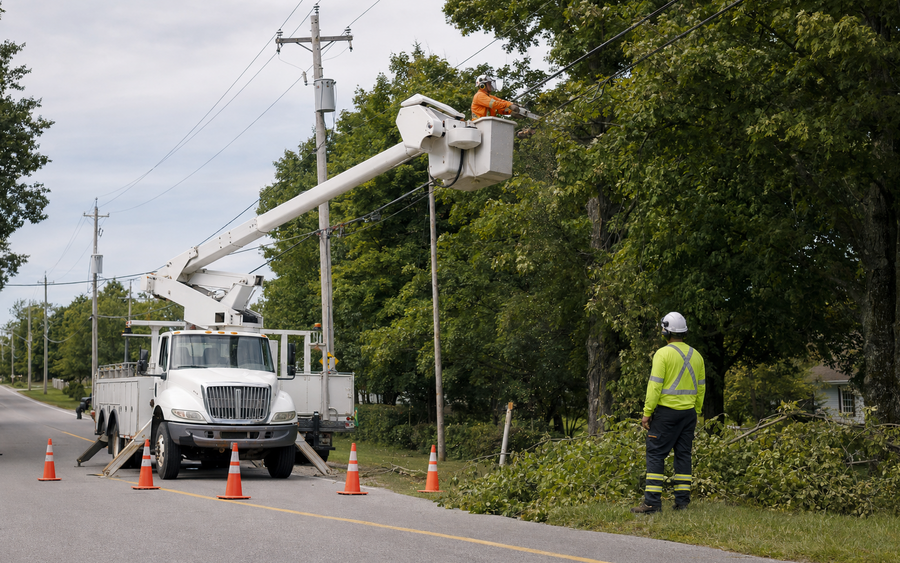
A Utility Arborist prunes, rigs or moves tree branches and woody vegetation that is in proximity or could contact any electrical apparatus. A Utility Arborist uses climbing techniques, climbing systems and mechanized equipment to work at heights in urban, rural and off-road locations. Specifically, a Utility Arborist:
THE CORE OF THE WORK
A Utility Arborist prunes, rigs or moves tree branches and woody vegetation that is in proximity or could contact any electrical apparatus. A Utility Arborist uses climbing techniques, climbing systems and mechanized equipment to work at heights in urban, rural and off-road locations. Specifically, a Utility Arborist:
Not every Utility Arborist performs every task. The mix changes with the employer, sector, workplace, equipment and level of responsibility.
TOOLS & TECHNOLOGY
insulated aerial devices, chainsaws, pole saws and pruning tools, climbing systems and rigging equipment, chippers, tracked lifts and off-road vehicles, vegetation-management mapping and inspection tools.
WORKING CONDITIONS
electrical-contact and arc hazards; work at height in trees and aerial devices; storms, wind, heat and winter weather; chainsaws, falling limbs and traffic; remote terrain and emergency callouts.
SAFETY FIRST
Training, supervision, safe procedures, appropriate PPE and stopping when conditions are uncertain are essential. Requirements vary by workplace and assignment.
STRENGTHS THAT GROW
ADVANCED SPECIALIZATIONS
These are advanced work directions within or adjacent to Utility Arborist, not promises of separate credentials or pay. Requirements vary by employer, equipment, experience and any additional training or authorization.
Prune and remove vegetation around neighbourhood electrical systems.
Manage tall-growing vegetation across large utility corridors.
Use approved climbing systems where aerial equipment cannot reach.
Perform pruning and rigging from specialized utility-rated equipment.
Dismantle dangerous trees that threaten electrical apparatus or access.
Clear damaged vegetation and support safe power-restoration operations.
Combine inspection, pruning cycles, compatible planting and selective controls.
Advance into work planning, inspection, supervision, utility forestry or contracting.
EVIDENCE BASE
Regulated, numerical and time-sensitive claims link to the authority used. Accessed and reviewed August 25, 2026.
Why might this career fit me?