Process Operator – Power overview

01 · WHAT · PRODUCE PATH

What is the Process Operator – Power trade?

A Process Operator—Power operates, monitors, adjusts and maintains processing systems and equipment by:
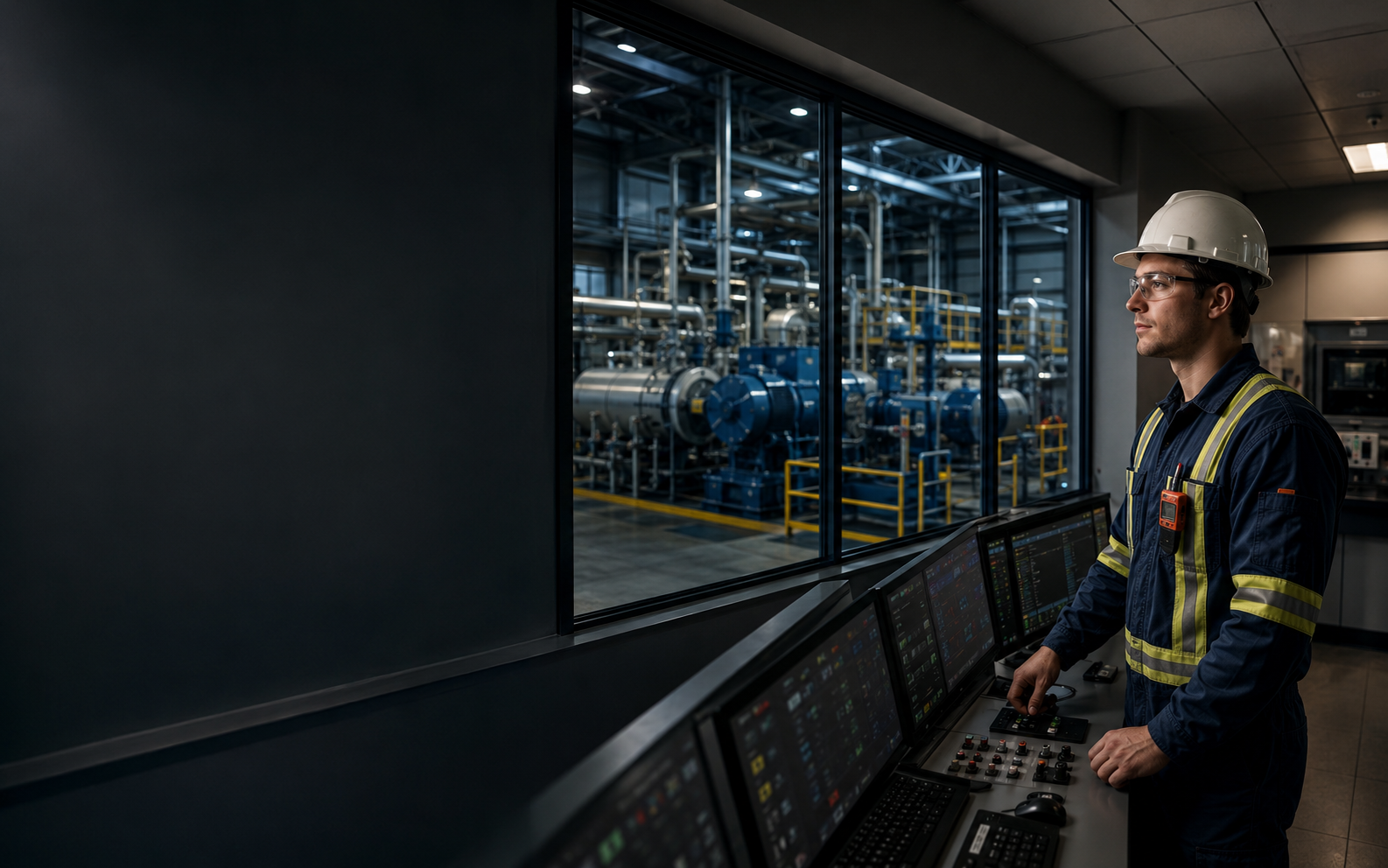
Process Operator – Power in a representative work setting

THE CORE OF THE WORK

Inspect. Diagnose. Repair. Improve.

A Process Operator—Power operates, monitors, adjusts and maintains processing systems and equipment by:

Not every Process Operator – Power performs every task. The mix changes with the employer, sector, workplace, equipment and level of responsibility.

TOOLS & TECHNOLOGY

Tools used with judgment

distributed control and alarm systems, boiler, turbine and generator controls, pumps, valves and water-treatment equipment, portable test and communication equipment, operating logs, procedures and permit systems.

WORKING CONDITIONS

Understand the environment

high-pressure steam and stored energy; heat, noise and industrial chemicals; rotating shifts and continuous operations; high-consequence decisions and formal procedures; field rounds, stairs and confined equipment areas.

SAFETY FIRST

Learn the hazards before the task

Training, supervision, safe procedures, appropriate PPE and stopping when conditions are uncertain are essential. Requirements vary by workplace and assignment.
STRENGTHS THAT GROW

Skill develops through practice.

situational awarenesssystems thinkingcalm decision makingprocedural disciplineteam communication

ADVANCED SPECIALIZATIONS

One trade can lead to very different work.

These are advanced work directions within or adjacent to Process Operator – Power, not promises of separate credentials or pay. Requirements vary by employer, equipment, experience and any additional training or authorization.

Boiler and steam systems

Maintain safe combustion, pressure, water level and steam conditions.

Turbine-generator operations

Monitor rotating equipment, electrical output and supporting systems.

Control-room operations

Interpret trends and alarms and coordinate plant response from centralized controls.

Water treatment

Control feedwater chemistry, purification and environmental discharge requirements.

Cogeneration and district energy

Balance electricity, steam and thermal loads for efficient combined production.

Start-up and outage operations

Isolate, test, return and synchronize equipment through formal procedures.

Operations leadership

Advance into senior operator, shift supervisor, training, reliability or plant management.

EVIDENCE BASE

Sources & verification

Regulated, numerical and time-sensitive claims link to the authority used. Accessed and reviewed August 25, 2026.

CONTINUE THE CAREER CENTREWHY

Why might this career fit me?