TOOLS & TECHNOLOGY
Tools used with judgment
play-based learning materials, observation and documentation systems, books, stories, music and creative media, outdoor and land-based learning resources, family and community communication tools.
 Educator hub
01 · WHAT · HELP PATH
An Aboriginal Child Development Practitioner:
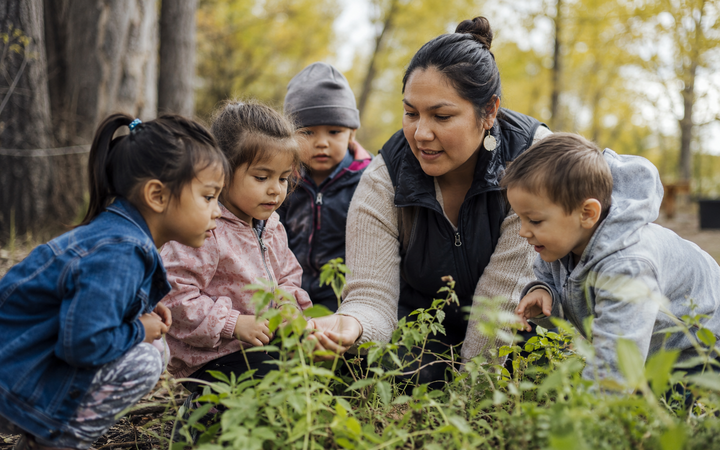
THE CORE OF THE WORK
An Aboriginal Child Development Practitioner:
Not every Aboriginal Child Development Practitioner performs every task. The mix changes with the employer, sector, workplace, equipment and level of responsibility.
TOOLS & TECHNOLOGY
play-based learning materials, observation and documentation systems, books, stories, music and creative media, outdoor and land-based learning resources, family and community communication tools.
WORKING CONDITIONS
continuous responsibility for children’s safety; active indoor and outdoor work; emotional and relationship-centred practice; infection prevention and cleaning routines; respect for community protocols and confidentiality.
SAFETY FIRST
Training, supervision, safe procedures, appropriate PPE and stopping when conditions are uncertain are essential. Requirements vary by workplace and assignment.
STRENGTHS THAT GROW
ADVANCED SPECIALIZATIONS
These are advanced work directions within or adjacent to Aboriginal Child Development Practitioner, not promises of separate credentials or pay. Requirements vary by employer, equipment, experience and any additional training or authorization.
Connect play, seasons, place and respectful relationships with the natural world.
Support community-directed language, stories, songs and cultural knowledge with appropriate guidance.
Create responsive routines and environments for very young children.
Plan developmentally appropriate learning, play and transitions.
Adapt environments and collaborate with families and specialists around individual strengths and needs.
Build reciprocal relationships with parents, caregivers, Elders and community partners as locally appropriate.
Advance into mentoring, coordination, administration or community program development.
EVIDENCE BASE
Regulated, numerical and time-sensitive claims link to the authority used. Accessed and reviewed August 25, 2026.
Why might this career fit me?